
There’s nothing quite like the savory, robust aroma of a slow-cooked Sauerbraten wafting through the house, drawing everyone to the kitchen in eager anticipation. This traditional German pot roast is more than just a meal; it’s an experience steeped in family history and warmth. When winter’s chill sets in, and you’re desperate for something hearty and soul-satisfying, this dish becomes your culinary sanctuary.
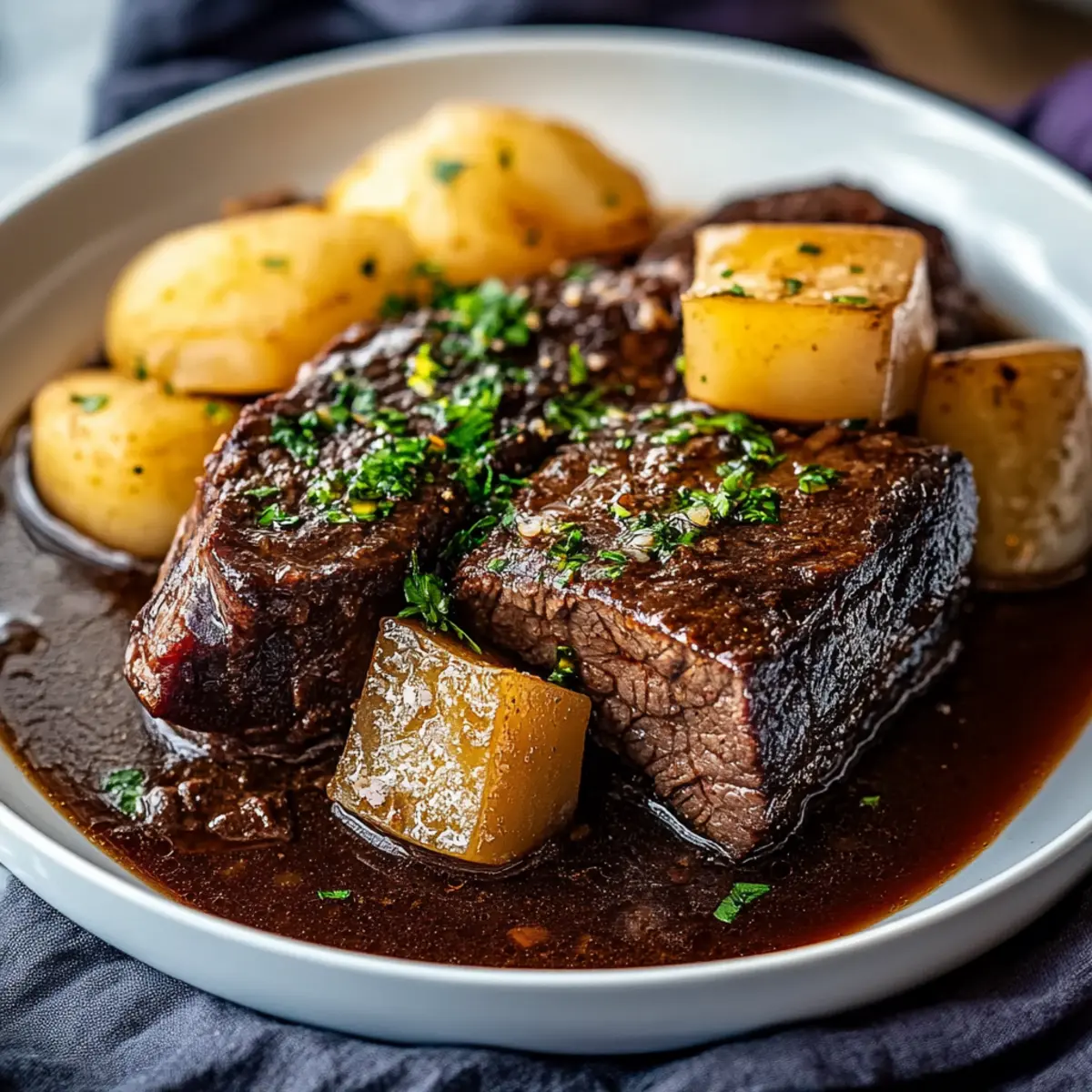
I remember the first time I made this German treasure—browsing through my grandmother’s recipe collection, I found this gem tucked away between old newspaper clippings and hand-written notes. The excitement of recreating a classic was contagious and has since become a cherished family ritual.
Marinating the beef roast for several days in a tangy red wine vinegar bath brimming with spices takes patience, yes, but the reward is a melt-in-your-mouth dish that leaves everyone asking for seconds. Serve it alongside some perfectly roasted potatoes or parsnips, and you’ve got a true crowd-pleaser! Join me as we delve into this Sauerbraten German Pot Roast recipe that will not only elevate your dinner table but also revitalize your love for homemade food.
Why You'll Love This Sauerbraten German Pot Roast Recipe
- This Sauerbraten German Pot Roast is incredibly easy to prepare, with a simple marinade that does most of the work for you.
- The deep, rich flavors from the vinegar and spices create a savory dish that will have everyone craving more.
- Its versatility allows you to serve it with a variety of sides, making it adaptable to any occasion.
- Plus, with its inviting aroma and beautiful presentation, this pot roast is guaranteed to impress your guests and become a favorite at your dinner table.
Sauerbraten German Pot Roast Ingredients
• Discover all the essentials for an unforgettable dish!
For the Marinade
- Red wine vinegar – adds a tangy depth to the Sauerbraten flavor.
- Water – helps dilute the vinegar for a balanced marinade.
- Sliced onion – infuses sweetness and flavor as the roast marinates.
- Chopped carrots – contribute a natural sweetness to the mix.
- Chopped celery – enhances the savory profile with aromatic notes.
- Crushed garlic cloves – brings a robust, aromatic punch to the broth.
- Black peppercorns – add a hint of warmth and complexity.
- Bay leaves – impart a subtle earthiness that deepens the flavor.
- Juniper berries – offer a unique, slightly fruity essence that pairs beautifully with beef.
For the Roast
- Beef roast (chuck roast or brisket) – recommended for its tenderness and flavor after slow cooking.
- Salt to taste – essential for enhancing all the delectable flavors.
- Pepper to taste – balances the dish with a touch of spice.
- Oil – used for searing the roast, creating a beautiful crust.
For the Gravy
- Cornstarch – thickens the gravy for that perfect pour-over consistency.
- Cold water – combines with cornstarch to prevent clumping when thickening.
- Brown sugar or honey – optional for a hint of sweetness, balancing the acidity of the vinegar.
For Serving (Optional)
- Potatoes or parsnips – hearty additions that complement the rich Sauerbraten beautifully.
With these carefully selected ingredients, your Sauerbraten German Pot Roast will not only be delicious but an experience that brings warmth and comfort to your dining table!

How to Make Sauerbraten German Pot Roast
-
Combine Ingredients: In a large bowl, mix the red wine vinegar, water, sliced onion, chopped carrots, chopped celery, crushed garlic cloves, black peppercorns, bay leaves, and juniper berries. This aromatic blend will create a wonderful marinade.
-
Marinate the Roast: Place the beef roast in a large resealable bag and pour the marinade over it. Seal the bag and refrigerate for 3 to 5 days, turning daily to evenly distribute the flavors.
-
Prep the Roast: After marinating, remove the roast from the bag and pat it dry with paper towels. Reserve the marinade for later and generously season the roast with salt and pepper to enhance its flavor.
-
Sear the Meat: In a large Dutch oven or heavy pot, heat oil over medium-high heat. Add the roast and sear it on all sides until beautifully browned, about 4-5 minutes per side. This step locks in the juices.
-
Simmer Together: Once browned, remove the roast from the pot and pour in the reserved marinade along with the roast. Ensure the liquid covers the meat halfway and add more water if required.
-
Cook Low and Slow: Bring the pot to a boil, then reduce the heat to low, cover, and let it simmer for 3-4 hours or until the meat is fork-tender. The longer, the better for richer flavor!
-
Strain the Broth: After the meat is tender, take it out and set it aside. Strain the cooking liquid through a fine mesh sieve to catch the vegetables and spices for a smoother gravy.
-
Thicken the Gravy: Return the strained liquid to the pot and bring it to a simmer. Mix cornstarch with cold water, then whisk into the simmering liquid, stirring until the gravy thickens to your liking.
-
Serve and Enjoy: Slice the meat and serve it hot, drizzled generously with the rich gravy. Pair it with roasted potatoes or parsnips for a complete meal.
Optional: Garnish with fresh parsley for an extra pop of color.
Exact quantities are listed in the recipe card below.
How to Store and Freeze Sauerbraten German Pot Roast
Room Temperature: Avoid leaving Sauerbraten out at room temperature for more than 2 hours to prevent any food safety issues.
Fridge: Store any leftovers in an airtight container in the fridge for up to 3 days. Reheat gently on the stovetop or in the microwave for best results.
Freezer: For longer storage, freeze the Sauerbraten in an airtight container or heavy-duty freezer bag for up to 3 months. Thaw in the refrigerator before reheating.
Reheating: When ready to enjoy your Sauerbraten again, reheat it on low heat in a saucepan, adding a splash of water or broth to maintain moisture, ensuring every bite is as delicious as the first!
What to Serve with Sauerbraten German Pot Roast?
Nothing quite complements the hearty flavors of this classic dish like a well-planned side, adding both warmth and texture.
-
Creamy Mashed Potatoes: The rich, buttery texture pairs perfectly with the tender roast, soaking up the savory gravy beautifully.
-
Braised Red Cabbage: Its tangy sweetness balances the acidity of the Sauerbraten, creating a delightful contrast in flavors.
-
Roasted Root Vegetables: A mix of carrots, parsnips, and potatoes adds a sweet, earthy element, enhancing the meal’s homey vibe. Toss them with olive oil and herbs for an irresistible side.
-
German Potato Salad: Warm with a zesty dressing, it brings a refreshing brightness that contrasts the richness of the roast.
-
Spätzle: These soft, egg noodles are ideal for soaking up the luscious gravy, adding a comforting heartiness to your plate.
-
Fresh Green Salad: A light, crisp salad with vinaigrette offers a refreshing crunch that cuts through the meal’s richness, brightening each bite.
-
Dessert Wine: A glass of fruity Riesling elevates the dining experience, complementing the dish’s deep flavors.
Delight your family with this comforting feast, ensuring every moment around the table feels special!
Sauerbraten German Pot Roast Variations
Feel free to get creative with your Sauerbraten by trying out these delicious twists to make this recipe your own!
-
Dairy-Free: Substitute butter or cream in your gravy with olive oil or coconut cream for creamy richness without the dairy.
-
Sweeten It: Instead of brown sugar, try maple syrup or agave nectar to bring a delightful sweetness that complements the tangy flavors.
-
Herb Infusion: Add fresh herbs like thyme or rosemary to the marinade for an aromatic twist that elevates the dish to new heights.
-
Vegetarian Alternative: Replace beef with a portobello mushroom or large eggplant, marinating in the same mixture for a delectable vegetarian option.
-
Add Heat: Mix in some red pepper flakes or a dash of hot sauce to the marinade for those who enjoy a spicy kick in their pot roast.
-
Different Meat: Swap out the beef for pork shoulder or lamb for a unique flavor profile that still delivers that comforting, hearty experience.
-
Beer Instead of Wine: Use a dark beer like stout or porter in place of red wine vinegar, adding depth and a malty undertone to your sauce.
-
Garnish Galore: Try topping your Sauerbraten with pickled red onions or fresh parsley for an extra pop of flavor and color that brightens the dish.
Let your imagination run wild with these variations, making each Sauerbraten pot roast uniquely yours and an absolute delight for every occasion!
Make Ahead Options
Preparing the Sauerbraten German Pot Roast ahead of time is a fantastic way to save precious minutes on busy weeknights! You can marinate the beef roast in the flavorful vinegar mixture up to 5 days ahead, which allows it to soak up all those delightful spices. Simply combine the ingredients for the marinade and refrigerate the roast in a resealable bag. On the day you plan to serve, just sear the meat, simmer it with the marinade for 3-4 hours, and finish with the gravy thickening step. This process ensures that your dish will come together smoothly and be just as delicious, providing you with a comforting, hearty meal with minimal effort!
Chef's Helpful Tips
- When preparing your Sauerbraten German Pot Roast, make sure to marinate the beef for the full 3 to 5 days to develop deep, robust flavors.
- A common mistake is to rush this step, so plan ahead for optimal results.
- Always pat the roast dry before searing; this ensures a better crust and enhances flavor.
- As for cooking the roast, a low and slow simmer at around 300°F will make for melt-in-your-mouth tenderness, so keep an eye on that temperature throughout the cooking process.
Sauerbraten German Pot Roast Recipe FAQs
What kind of beef roast should I use for Sauerbraten?
For the best results, I recommend using either a chuck roast or brisket. Both cuts are known for their tenderness and rich flavor, especially after the slow cooking process. Chuck roast has a bit more marbling, which adds to the juiciness, while brisket will yield a slightly leaner final dish.
How do I know if my beef roast is ripe for the recipe?
Absolutely! Look for beef that has a bright red color without any dark spots. The marbling should look fresh, and there shouldn’t be a strong odor. For marinade purposes, aim for a roast that is just around its sell-by date to ensure optimal flavor infusion!
How should I store my leftover Sauerbraten?
Store any leftovers in an airtight container in the fridge for up to 3 days. Reheating is best done gently on the stovetop or in the microwave to maintain the dish’s integrity. Just remember to add a splash of broth or water to keep it nice and moist!
Can I freeze Sauerbraten for later use?
Definitely! To freeze, place the cooled Sauerbraten in an airtight container or a heavy-duty freezer bag, ensuring to remove as much air as possible. It can be stored in the freezer for up to 3 months. When ready to enjoy, thaw it in the refrigerator overnight before reheating!
What’s the best way to reheat Sauerbraten?
When it’s time to enjoy your Sauerbraten again, reheat on low heat in a saucepan. Add a splash of water or broth to keep it moist. Gently warm it through until heated evenly—this way, it’ll taste as delightful as the first time you served it!
Is Sauerbraten suitable for those with allergies?
Be cautious with the ingredients! The primary allergens to watch for include the red wine vinegar and any additives in your beef broth if you choose to use it for reheating. Always check labels on your condiments to avoid allergens. If you have a sensitivity to vinegar, look for alternatives like a homemade beef broth to enhance the flavor without the acidity.
Equipment
- Large bowl
- resealable bag
- Dutch oven
- Fine Mesh Sieve
Ingredients
For the Marinade
- 2 cups red wine vinegar adds a tangy depth to the Sauerbraten flavor
- 2 cups water helps dilute the vinegar for a balanced marinade
- 1 large sliced onion infuses sweetness and flavor
- 2 medium chopped carrots contribute natural sweetness
- 2 stalks chopped celery enhances the savory profile
- 4 cloves crushed garlic brings a robust flavor
- 1 tablespoon black peppercorns adds warmth and complexity
- 2 leaves bay leaves imparts earthiness
- 1 tablespoon juniper berries offers a unique flavor
For the Roast
- 3 pounds beef roast (chuck or brisket) recommended for tenderness
- salt to taste essential for flavor enhancement
- pepper to taste balances the dish
- 2 tablespoons oil for searing
For the Gravy
- 2 tablespoons cornstarch thickens the gravy
- 1 cup cold water to combine with cornstarch
- 1 tablespoon brown sugar or honey optional for sweetness
For Serving (Optional)
- 4 servings potatoes or parsnips hearty additions
Instructions
Preparation
- In a large bowl, mix the red wine vinegar, water, sliced onion, chopped carrots, chopped celery, crushed garlic, black peppercorns, bay leaves, and juniper berries.
- Place the beef roast in a large resealable bag and pour the marinade over it. Seal the bag and refrigerate for 3 to 5 days, turning daily.
- After marinating, remove the roast from the bag and pat it dry. Reserve the marinade and season the roast with salt and pepper.
- In a large Dutch oven, heat oil and sear the roast on all sides until browned, about 4-5 minutes per side.
- Remove the roast and pour in the reserved marinade along with the roast, adding more water if required.
- Bring to a boil, then reduce to low heat and let it simmer for 3-4 hours or until tender.
- After the meat is tender, strain the cooking liquid through a fine mesh sieve.
- Return the strained liquid to the pot and bring to a simmer. Mix cornstarch with cold water, then whisk into the liquid until thickened.
- Slice the meat and serve it hot with the rich gravy, optionally pairing with roasted potatoes or parsnips.



Leave a Comment